
PROSECCO
TERRITORY, HISTORY AND IDENTITY
The History of Prosecco
The origins of Prosecco date back to antiquity, with references to wines produced in this area as far back as Roman times. However, Prosecco’s modern identity did not emerge until much later.
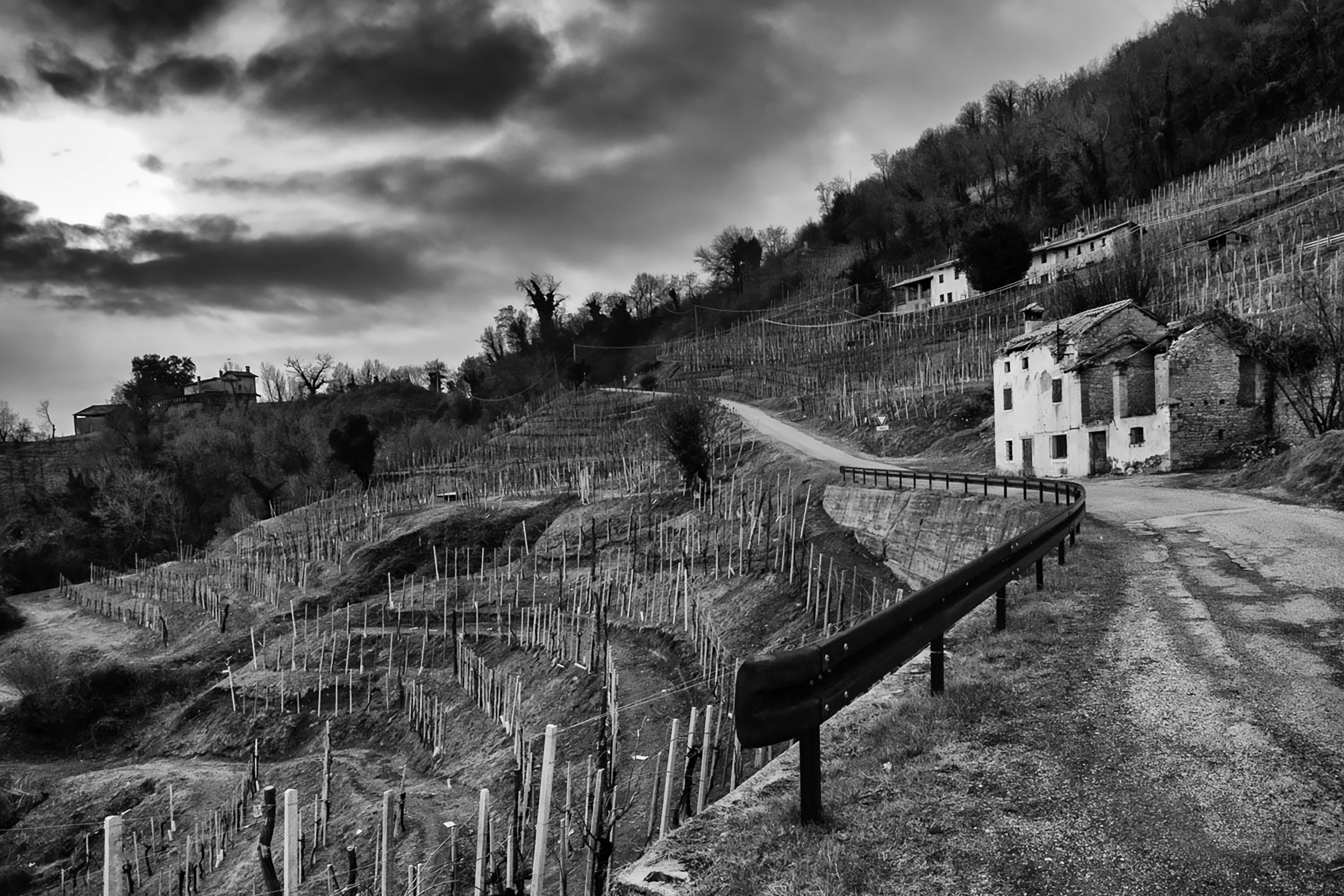
Between the 19th and 20th centuries, technological advances and improvements in winemaking techniques enabled Prosecco to evolve into a sparkling wine. A key moment was the introduction of controlled designations of origin, which defined the production areas and guaranteed quality. The Conegliano-Valdobbiadene area was recognised as a zone of excellence, subsequently obtaining DOCG status.
Grape Varieties and Types of Wine
The main grape variety used in Prosecco is Glera, which gives the wine its characteristic aromatic profile and lightness. Prosecco is generally fresh, with notes of green apple, pear, citrus and white flowers.
There are several types, mainly categorised by their residual sugar content: Brut (drier), Extra Dry and Dry (smoother). This variety means that Prosecco can suit a range of tastes and occasions.
DOC & DOCG
Classification
The production of Prosecco is governed by a system of designations that guarantees its origin and quality. The Prosecco DOC designation covers a large area and accounts for the majority of production.
Within this, the Conegliano Valdobbiadene Prosecco Superiore DOCG represents the historic area and that of the highest quality. There are also specific sub-zones that further highlight the diversity of the territory. These classifications clearly distinguish between high-volume production and wines more closely linked to the terroir.
Production Methods
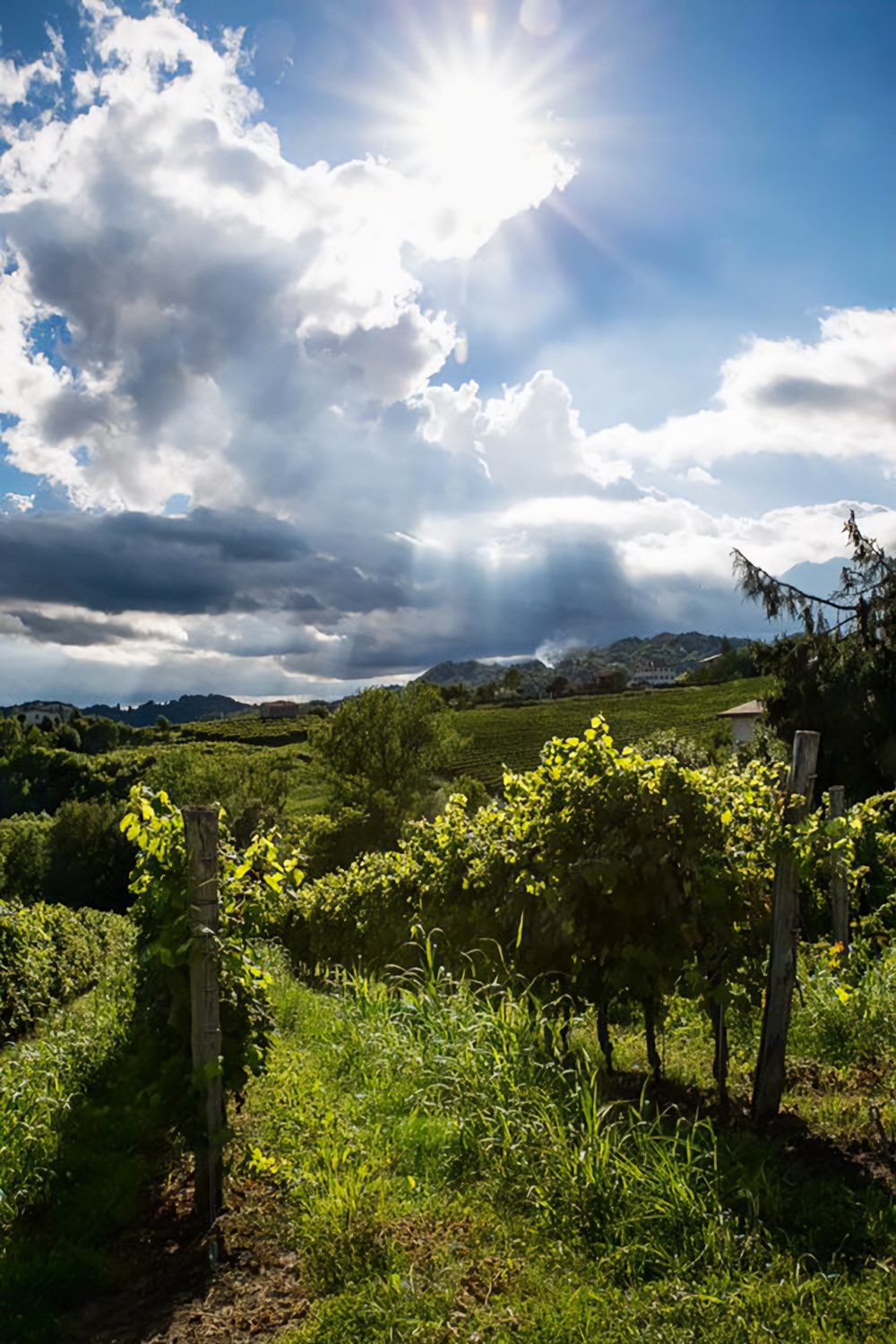
Unlike Champagne, which is produced using the traditional method in the bottle, Prosecco is generally made using the Charmat method. This involves a second fermentation in large steel tanks, which helps to preserve the wine’s fresh, fruity aromas whilst enabling efficient production and ensuring a recognisable, consistent style.
Culture and Tradition
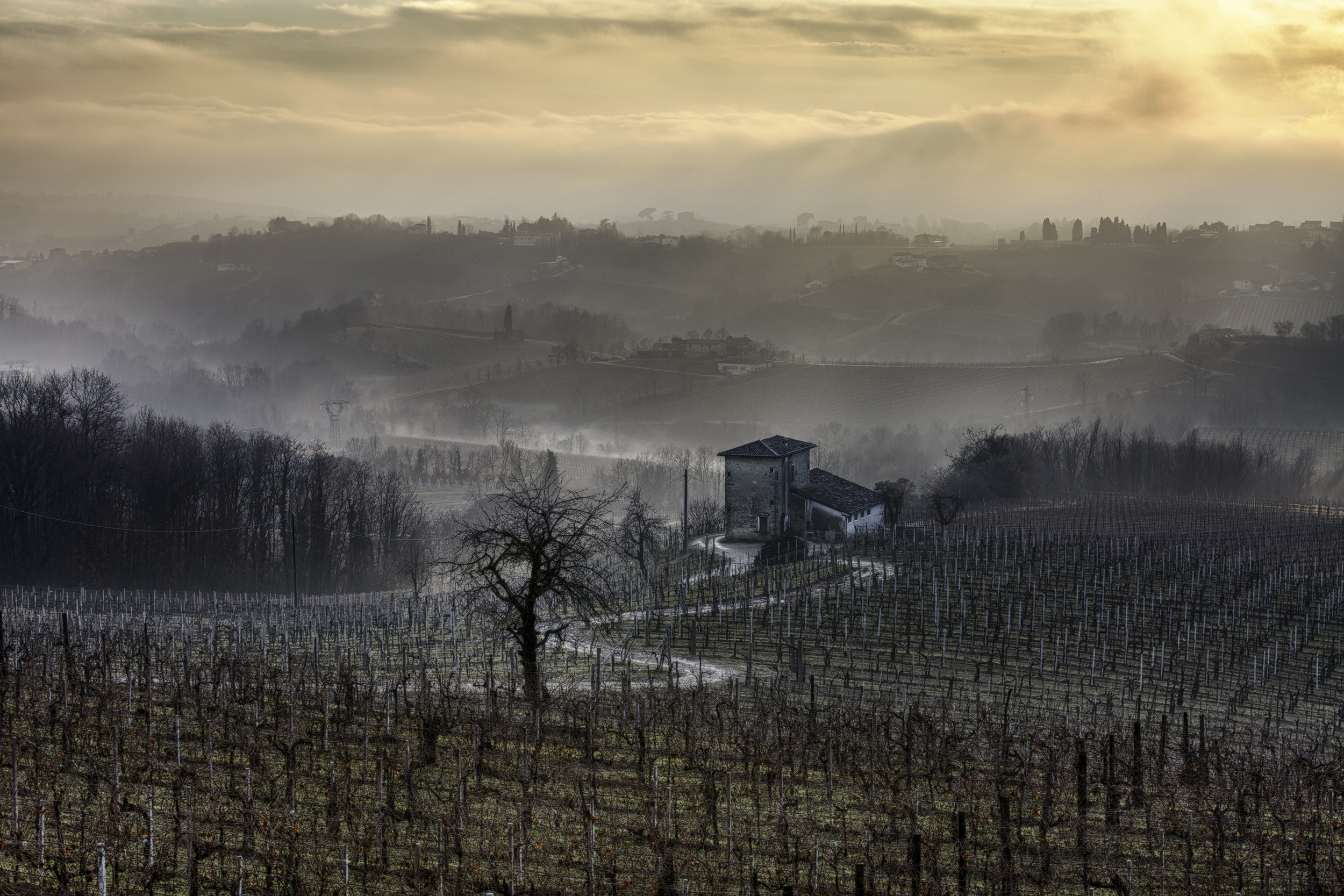
Prosecco is deeply rooted in the culture and traditions of the region. The hilly landscape is the result of centuries of human labour, during which entire generations of winegrowers have shaped the environment and the land.
Wine-making traditions, local festivals and agricultural practices all contribute to the identity of Prosecco, which also embodies an Italian way of life based on conviviality and sharing.

UNESCO World Heritage Site
The combination of breathtaking landscapes, the interaction between humankind and nature that has helped to shape them over the centuries, and the equally age-old local traditions have earned them recognition as a UNESCO World Heritage Site, cementing the uniqueness and value of these areas.